Recycling and Sustainability at Upper Norwood Storage
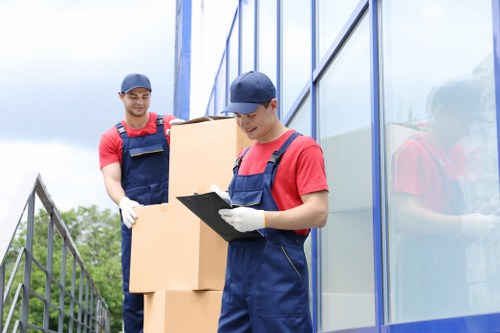 At Upper Norwood Storage, sustainability is part of how we operate every day. Our approach to Upper Norwood Storage recycling is built around practical action: reducing waste, reusing materials where possible, and making sure items leaving our facility are handled responsibly. We recognise that storage businesses have a role to play in local environmental goals, especially in areas where boroughs take a structured approach to waste separation and encourage residents and businesses to sort recyclables carefully. That is why we set a clear recycling percentage target and work steadily to meet it through better sorting, smarter collection, and stronger partnerships.
Our current target is to divert at least 85% of recyclable operational waste away from landfill or incineration, and to increase that figure over time. This target covers cardboard, paper, plastics, metals, wood offcuts, and other recoverable materials generated through storage operations, refurbishments, and logistics activity. In practice, this means separating clean cardboard from mixed waste, keeping timber and pallet materials available for recovery, and ensuring that soft plastics and shrink wrap are collected for the appropriate recycling stream. By focusing on measurable outcomes, our Upper Norwood storage sustainability programme supports lower waste volumes and a more circular use of resources.
We also aim to make recycling simple for staff and partners by using clearly labelled containers and applying waste-separation habits that reflect local borough expectations. In nearby areas, local authorities increasingly encourage different bins or collection routes for dry mixed recycling, food waste, garden waste, and residual waste. We follow the same logic in our internal operations, with attention to keeping materials uncontaminated so they can be processed efficiently. That includes separating paper-based packaging from food-contaminated waste, flattening cardboard to save space, and ensuring broken plastic components are not mixed with general rubbish when they can still be recovered.
 A key part of our sustainability work is the use of local transfer stations and waste facilities that support responsible sorting and recovery. By routing suitable materials through nearby transfer stations, we reduce unnecessary travel and help keep waste management efficient. This localised approach means recyclables can be baled, screened, or separated closer to where they are produced, cutting down on transport emissions and improving the chances that materials are correctly processed. For recycling at Upper Norwood Storage, this is especially important because many common storage-related materials, such as cardboard, plastic wrap, and wooden crates, are bulky but highly recoverable when collected properly.
Working with local transfer stations also helps us identify the right destination for different waste streams. Some materials go to materials recovery facilities, while others are directed to specialist processors for timber, metal, or mixed recyclables. In an area where boroughs emphasise clean sorting and contamination reduction, that extra level of care matters. Our team pays attention to what can be reused, what can be recycled, and what must be disposed of safely, so the flow of material through our operation remains as efficient and low-impact as possible.
We also track waste performance so we can improve year by year. Monitoring the weight and type of waste leaving the site helps us spot trends, reduce avoidable disposal, and keep our recycling percentage target realistic but ambitious. If one stream becomes too contaminated, we review handling methods; if a material can be reused or taken through a different collection route, we adjust accordingly. This ongoing review keeps our Upper Norwood storage recycling efforts grounded in measurable results rather than broad claims.
 Partnerships with charities form another important layer of our sustainability strategy. Many items that are no longer suitable for storage can still have value for community organisations, schools, and charitable causes. Instead of sending usable goods straight to waste handling, we look for opportunities to donate furniture, office items, household goods, and other reusable materials through trusted charity partners. This helps extend the life of products, supports local communities, and reduces the volume of waste that needs to be processed.
These partnerships are particularly useful when customers clear items from storage and want to ensure they are treated responsibly. Where items are in good condition and suitable for donation, charitable redistribution can be a better option than recycling alone. In that sense, sustainability is not only about end-of-life disposal; it is also about reuse and social value. By building relationships with charities, Upper Norwood Storage supports a more circular model in which useful items remain in circulation for as long as possible.
We also look at how donations can be matched with local needs. Some charities may prioritise office furniture and shelving, while others may accept domestic goods, books, or seasonal items. This makes reuse a flexible and practical part of our approach. It reflects a wider Upper Norwood Storage sustainability commitment: reduce waste, support reuse, and only recycle materials when reuse is no longer appropriate.
Our transport choices matter too. We use low-carbon vans as part of our operational fleet strategy, helping lower emissions associated with collections, deliveries, and site movements. These vehicles are selected for their efficiency and reduced environmental impact, and they are used alongside route planning that avoids unnecessary mileage. For a storage operation, transport can be a major part of the carbon footprint, so switching to cleaner vehicles is a practical step rather than a symbolic one.
Low-carbon vans also support the wider recycling chain. When transporting materials to local transfer stations or delivering reused items to charity partners, efficient vehicles help reduce the impact of each trip. Combined with better scheduling, shared loads, and localised destinations, this approach keeps the supply chain leaner. It is one more way our Upper Norwood Storage recycling programme connects day-to-day operations with long-term environmental goals.
We are also mindful of borough-level approaches to waste separation, which often encourage households and businesses to keep recyclable materials clean and distinct. In practical terms, that means paying attention to how mixed materials are handled on site: separating cardboard from polystyrene, keeping metal fittings apart where possible, and ensuring that reusable wooden items are not broken down too early. These habits improve recycling outcomes and reduce contamination, supporting the same objectives that local waste services promote across the area.
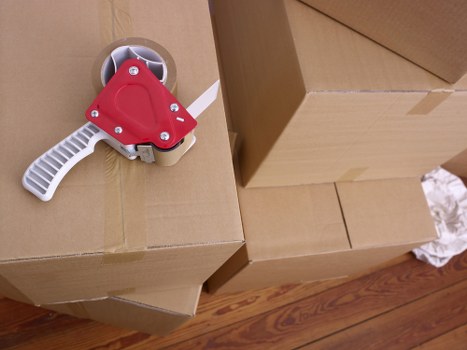 Sustainability at Upper Norwood Storage is therefore a combination of targets, partnerships, and everyday decisions. From recycling percentage targets and local transfer stations to charity reuse and low-carbon vans, every part of the process is designed to reduce environmental impact. We do not treat sustainability as a separate initiative; it is built into how we sort, move, and manage materials. That includes attention to common storage waste such as cardboard, wrapping film, pallets, metals, and redundant fixtures, all of which can often be reused or recycled with the right handling.
Our commitment is to keep improving. As local recycling systems evolve and boroughs refine their separation rules, we will continue adapting our procedures so that our operations remain efficient, compliant, and environmentally responsible. The result is a more thoughtful model of Upper Norwood storage sustainability—one that respects local waste systems, supports community reuse, and reduces carbon where possible.
 By combining practical recycling methods with a clear environmental strategy, Upper Norwood Storage helps make sustainable storage more than a promise. It becomes part of daily practice: sorting well, donating what can be reused, choosing lower-emission transport, and working with local facilities that support recovery and reuse. That is how we continue building a greener approach to storage for the Upper Norwood area and beyond.